Our dog’s health is always at the top of our minds, whether it be their coat, stomach health or a long happy life we love to make sure our pets are well taken care of. It should come as no surprise that dental health is also highly important to our furry friend’s health and happiness. There are plenty of wonderful ways to keep your pet’s teeth clean and healthy, and they’ve only gotten better over the years! However, one thing we hear is that kibble can clean your dog’s teeth just as well as a chew or brush can.
Does Kibble Clean a Dog’s Teeth?
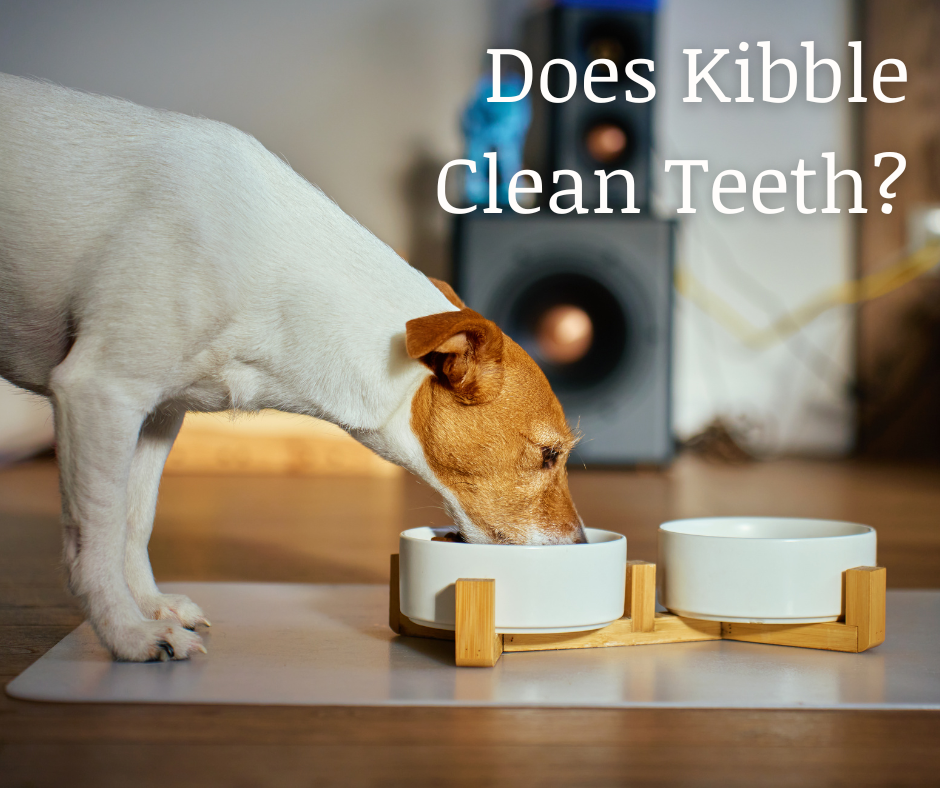
The short answer? No, kibble does not clean your dog’s teeth, or your cat’s for that matter. As your pets chew kibble it breaks into smaller chunks, mixing with their saliva and becoming soft over time just like when we eat crackers. The result can lead to leftover kibble becoming trapped between their teeth, accumulating between meals and when they drink water. Eventually this buildup causes plaque to form, which hardens and becomes tartar then sticks to your companion’s teeth. This combination will slowly but surely wear away your pet’s healthy teeth and gums, causing bad breath, tooth decay and gum disease just like it can in humans. This is why it’s so important to keep our pet’s teeth clean.
How To Keep Teeth Clean
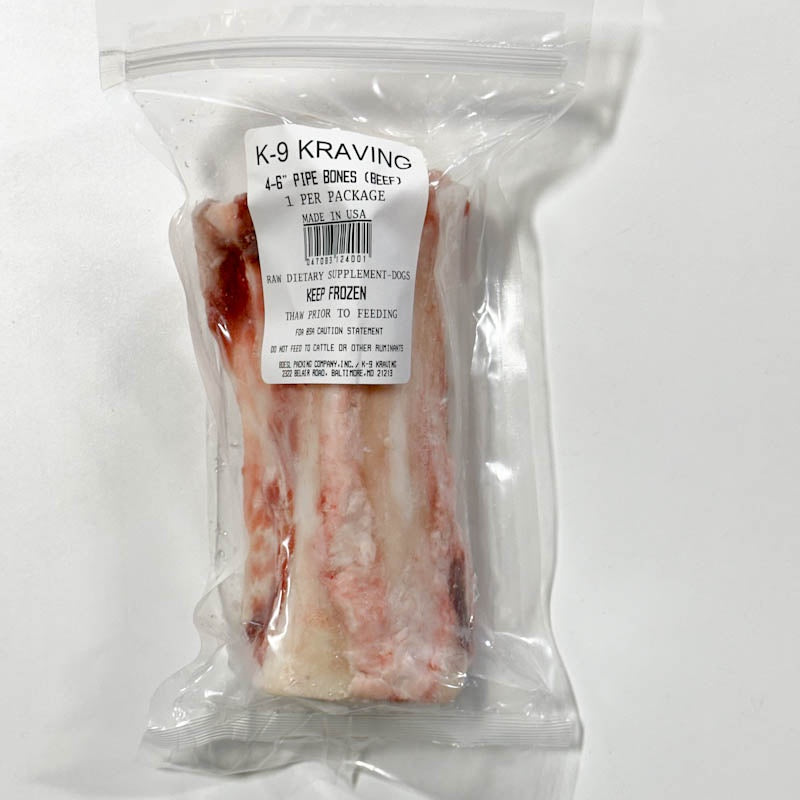
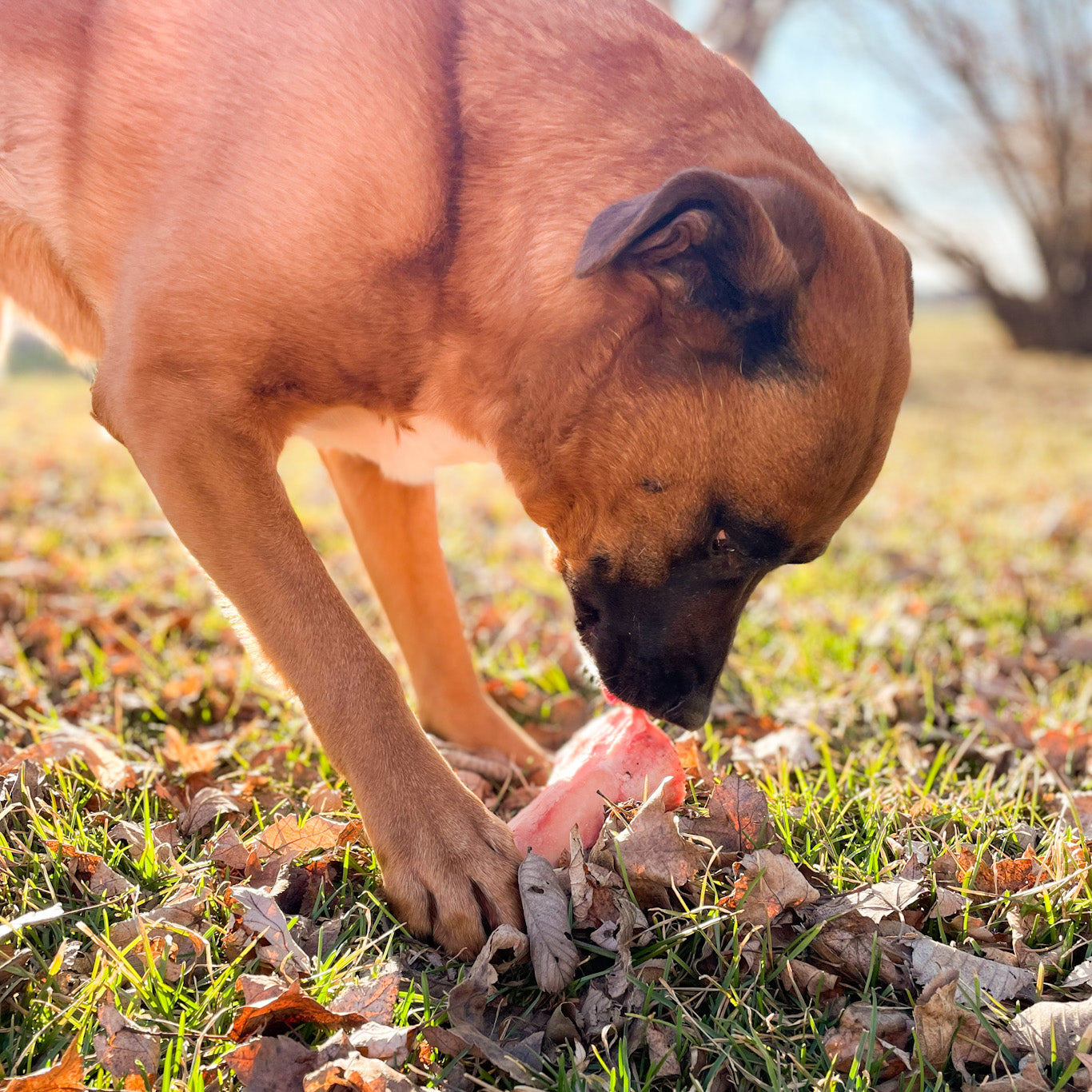
Chews: One of the best ways to keep your pet’s teeth clean is to offer chews. Whether they be non-edible such as Benebone or digestible chews like bully sticks and collagen, these chews both serve the same purpose. Their tough exteriors allow dogs to chew on them while keeping their solid form intact, scraping away at built up plaque and hard to clean tartar. A raw meaty-bone can be added to your dog’s dinner to aid in keeping their teeth clean as well. The additional flavor adds an exciting boost to mealtime, while the hard bone also helps to scrape built up plaque and tartar off. Furthermore, the act of chewing is a great way to stimulate your dog’s mental wellbeing, but make sure to watch over your pet when introducing a chew to keep them safe and healthy!
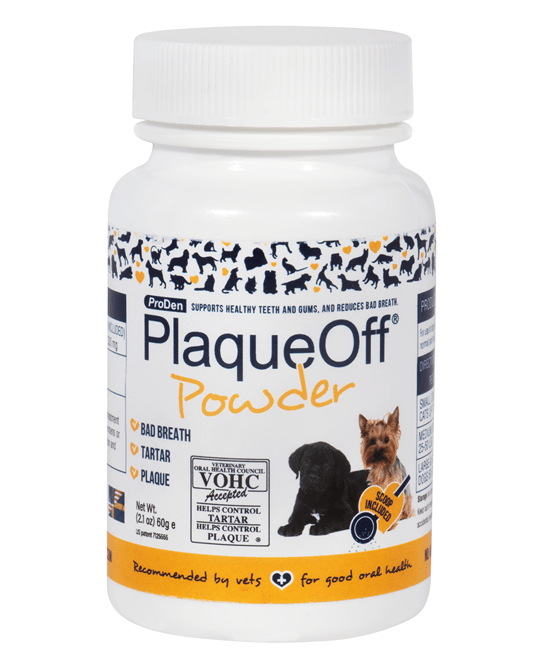
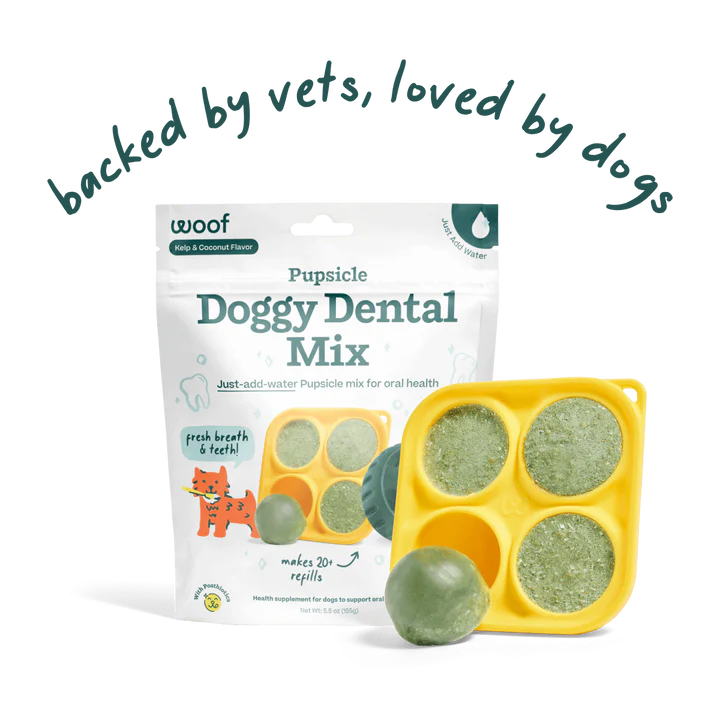
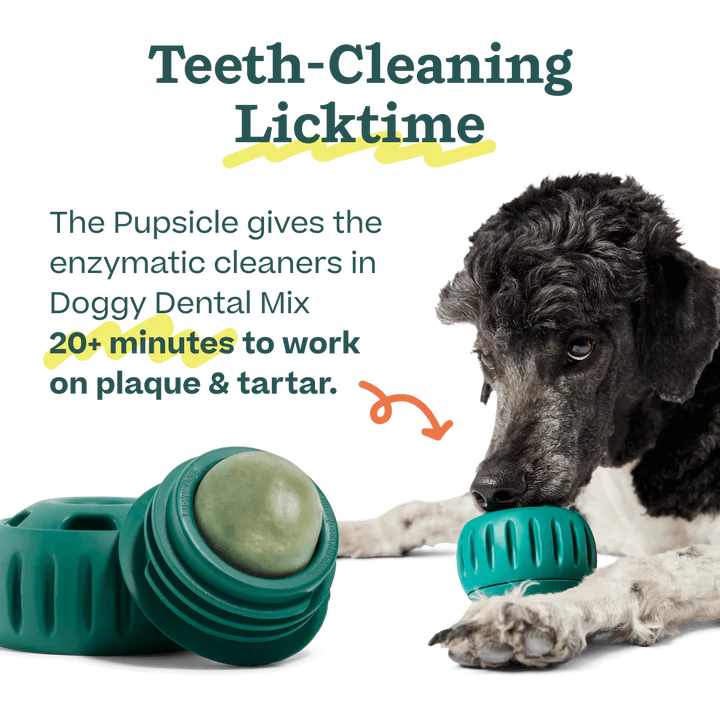
Powder: Additionally, dental powders provide an easy way to help reduce bad breath and break up stuck tartar. Powder comes with added ease of use, with many products detailing how much is needed per day based on your dog’s weight. When added to regular mealtimes, the powder can stick to plaque and tartar on your dog’s teeth to help keep them clean. This is accomplished by enzymes in the powder, typically from kelp, that bind to plaque and tartar and break it down which make it easier to scrape off. This can also make brushing your dog’s teeth more effective as well.
Brushing: On the topic of brushing your dog’s teeth, this can be another fantastic option. This can give you, as a pet owner, the peace of mind that you’re getting every spot of your pet’s teeth cleaned, so long as your pet allows you to! With fussy pets, it may be best to work slowly to get them used to the new sensations along their gumline and in their mouth and reward good behavior with playtime and their favorite toy rather than a treat. Another option may be finger brushes that allow you to rub their teeth between your fingers if the brush doesn’t work. Regular brushing, alongside the other previously discussed methods, can drastically improve your dog’s dental health.
Deciding Which is Right
There are many factors that can help you decide which method, or combination of methods, is best for your furry friend. Some of the best examples are:
Age: An older pet may have trouble with harder chews, and thus dental powder may be best suited for our senior friends.
Dietary Restrictions: Pets with sensitive stomachs may find non-edible chews such as Benebone to be much easier on their gastrointestinal health.
Personality: Does your dog chew through bones quickly, or slowly? Does your dog allow you to look at the inside of their mouth? Is your dog a picky eater? All of these are important to consider when selecting the best course of action for their dental health.
At the end of the day, kibble is still a good source of food and nutrition for your dogs, but not an effective way to clean their teeth. For all your dental needs, feel free to come into the store and ask any of us what our favorite ways to keep our pet’s teeth clean are, we’ll be happy to answer!