
As winter approaches, it's essential to understand how the dropping temperatures and changing conditions can affect our beloved pets. Many pet owners might not realize that winter can pose unique challenges for our furry friends, from concerns about cold weather exposure to changes in their exercise routines. By being aware of these impacts, we can ensure that our pets remain happy and healthy throughout the season.
Limit Time Outdoors
When the temperatures drop to freezing, our pets still have their daily needs that usually require a few trips outdoors. Whether that includes potty breaks, exercise needs, or simply moving to and from the vehicle, it's crucial to be mindful of the chilly conditions. During these tasks, monitoring the temperature and limiting your pet's time outside is essential for their well-being. Exposure to frigid temperatures can pose risks, therefore, keeping their outdoor excursions brief will help ensure your pet stays safe and healthy.
Outer Layer Gear
When we think about protecting our pets during outdoor activities, outer layer gear should not be overlooked. Sweaters and jackets can significantly enhance your pet's comfort while outside, especially in colder weather. While it is a well-known fact that smaller and short-coated dogs require extra warmth, it's essential to recognize that even our larger dogs with thicker coats can benefit as well. These outer layers can help maintain body heat, keeping their hips and joints warm, which is critical in preventing injuries during physical activities or outdoor sports.
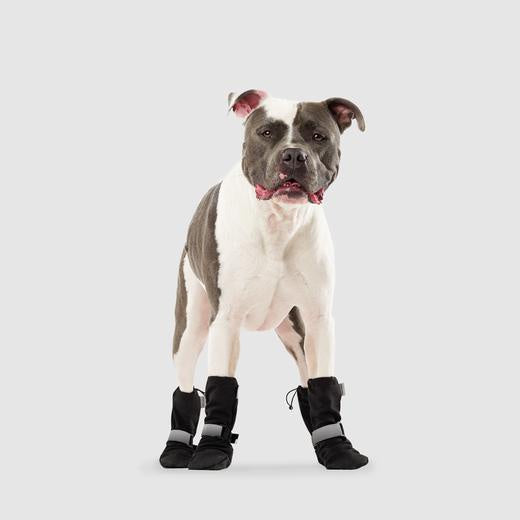
Another great addition to your pet's outdoor gear is booties. These protective covers serve multiple purposes: they can keep your pet's paws warm in freezing temperatures, protect against harmful substances like road salt, and prevent cracking and drying of their paw pads. For those who may not like the idea of using booties, paw wax is an excellent alternative. Products like Musher’s Secret provide a protective layer on the paws, allowing your furry friend to enjoy their outdoor adventures safely and comfortably.
Warmth + Bedding
Another great way to keep our pets warm is by adding extra bedding to their existing setup. For those with dogs who travel in a car kennel, incorporating blankets or thicker bedding can be particularly beneficial. This added insulation helps retain their body heat during chilly journeys. Similarly, if you have outdoor cats, it's essential to provide them with a sheltered, heated space that’s protected from the wind. Creating a warm and cozy environment will benefit them through the winter months.
Nutrition
It's essential to monitor their nutritional needs closely during this season to prevent weight gain or loss related to changes in activity. For pets that are significantly less active in the winter, consider switching them to a lower-calorie food or reducing their daily food intake to maintain a healthy weight. With that, if your pet is more active during these colder months, it may be beneficial to increase their daily caloric intake or provide a higher protein food source to support their energy levels.
Additionally, if your pet struggles to retain heat, you might want to switch them to a warming protein. These proteins are typically higher in calories and provide more energy, which can aid in generating body heat. For further information on the differences between warming and cooling proteins, check out the information provided here: https://rawrations.com/blogs/news/basics-of-energetics-in-pets?page=2&.
Overall, the winter months can be challenging with pets, but there are many ways to keep them warm and safe while still having fun. Be sure to keep an eye on their weight and monitor the temperatures during outdoor activities. Staying proactive in these areas can help ensure a positive and enjoyable experience for both you and your furry friends.